The BoRU MacBook Story, Explained: When ‘I’ll Pay You Back’ Becomes a Years-Long Saga
A friend sat down on a laptop. What happened next became one of Reddit’s most-cited cautionary tales about money, friendship, and small-claims court.
Part of: BoRU Hall of Fame
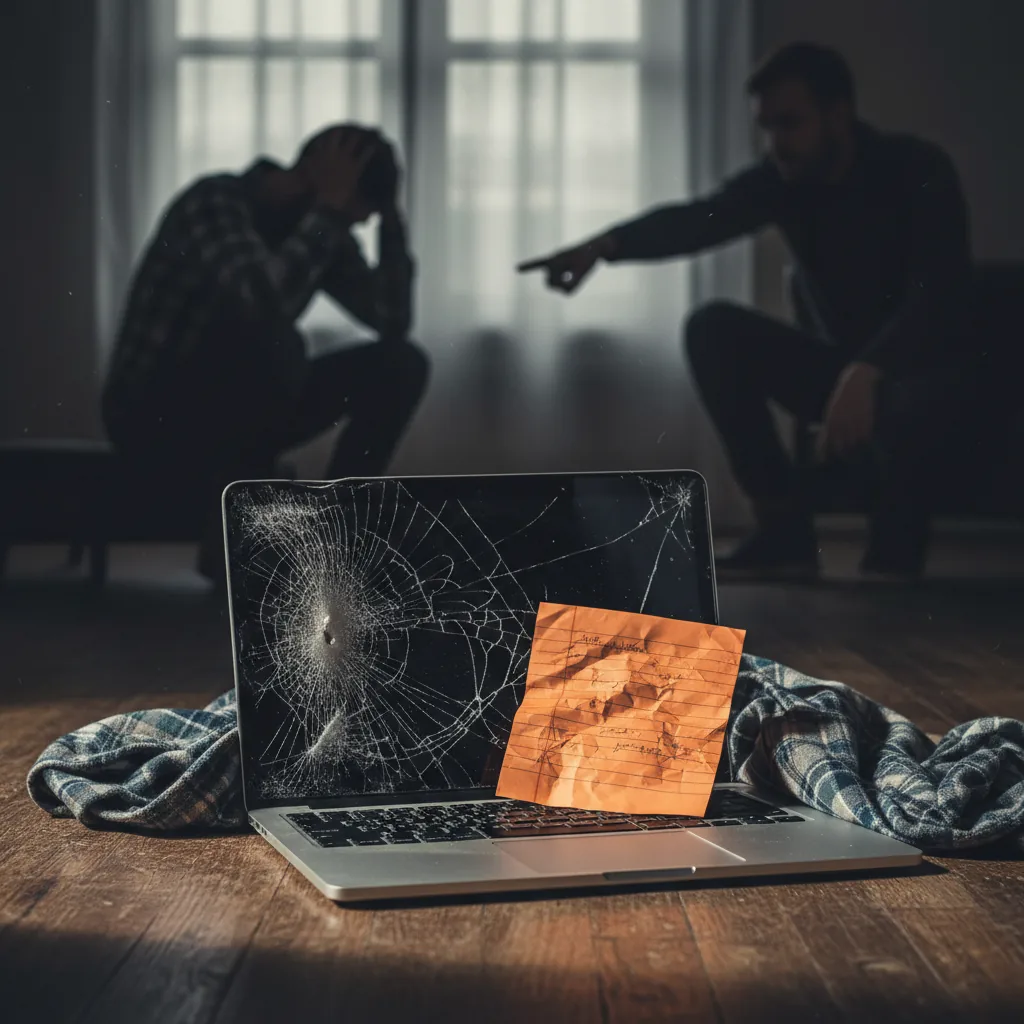
Every few months, the same screenshot resurfaces in a group chat: a Reddit thread about a broken MacBook, a friend who promised to pay, and the slow, satisfying turn from polite request to legal demand. It’s become shorthand for a very specific betrayal.
The premise sounds trivial. A friend sits down on a couch, on top of a closed MacBook, and the screen cracks. Anyone who has owned a laptop knows what that sound costs.
What made the thread legendary wasn’t the accident. It was the slow-motion fallout. The friend who broke it cycled through every avoidance pattern people recognise: the cheerful ‘of course I’ll cover it,’ the radio silence, the eventual ‘why are you making this a big deal,’ and finally the involvement of mutual friends who somehow ended up siding with the person who hadn’t paid.
The reason this resonates is recognisable. Most adults have lent money or possessions to a friend who treated repayment as optional. The thread is a written record of someone refusing to let that pattern stand — and the social cost of doing so.
The legal procedural is the satisfying part. The original poster didn’t shout, didn’t post screenshots, didn’t escalate online. They got a written quote from Apple, sent a calm demand letter, and then filed in small-claims when the deadline passed. The process took months. It worked.
There’s a reason ‘small-claims it’ has become Reddit’s default advice for property-damage disputes between friends: this thread, more than almost any other, demonstrated that the legal route is boring, slow, and almost always available — and that the friendship was effectively over the moment the laptop cracked anyway.
Elsewhere on The Daily Stash
What happened next
The accident
Day 1Friend sits on a closed MacBook. Screen cracks. Initial reaction is apologetic, generous, ‘of course I’ll pay.’
First avoidance
Weeks 1–3Repair quote shared. Replies slow down. Vague references to upcoming paychecks.
Mutual friends weigh in
Month 2Group chat sentiment splits. Several mutuals pressure the OP to ‘drop it’ for the sake of harmony.
Demand letter
Month 3OP sends a written, dated request for payment with a 14-day deadline. Tone: polite, factual, ignored.
Small-claims filed
Month 4Court paperwork lodged. Friend offers full payment within days. Friendship ends, money returns.
Update years later
Years onOP confirms the laptop was replaced, the friend never spoke to them again, and several mutuals quietly admitted they’d have done the same thing in OP’s shoes.
Reader verdict
Did the OP overreact by going to small-claims court?
Tap an option to see how readers split.
Sources
Frequently asked
- Why is this thread on so many ‘best of’ lists?
- It captures a universally recognisable conflict — money owed by a friend — and resolves it through a slow, lawful process rather than online drama. The ending is unusually clean for the format.
- Should I actually take a friend to small-claims court?
- If a written demand letter is ignored and the dollar amount justifies the filing fee, it’s a normal civil remedy. Most jurisdictions cap small-claims at a level that fits laptop or phone repairs without needing a lawyer.
Elsewhere on the web
Editorial picks · external- China Believes America Will Flame Out — The Atlantic
- 40 Times Influencers Went Too Far For ‘The Perfect Shot’ And Got Called Out — Swagbae
- Mayor Responds After Video Shows Man Throwing Rock at Endangered Seal Lani in Hawaii — NBC New York
- From Vine to Friendster, Why Is Retro Social Media Coming Back? — Creative Bloq
- How to Save a Life: Paramedics on Emergency First Aid — The Guardian
- Footage Shows Moments Before Frontier Airlines Jet Struck Person on Denver Runway — Fox News
Original editorial. Written by The Daily Stash Editors. See our editorial policy.