The BoRU Corporate Retreat Story, Explained: When ‘Mandatory Fun’ Goes Legally Wrong
A company-paid retreat, a coercive itinerary, and a thread that became HR’s favourite anti-template for off-site planning.
Part of: BoRU Hall of Fame
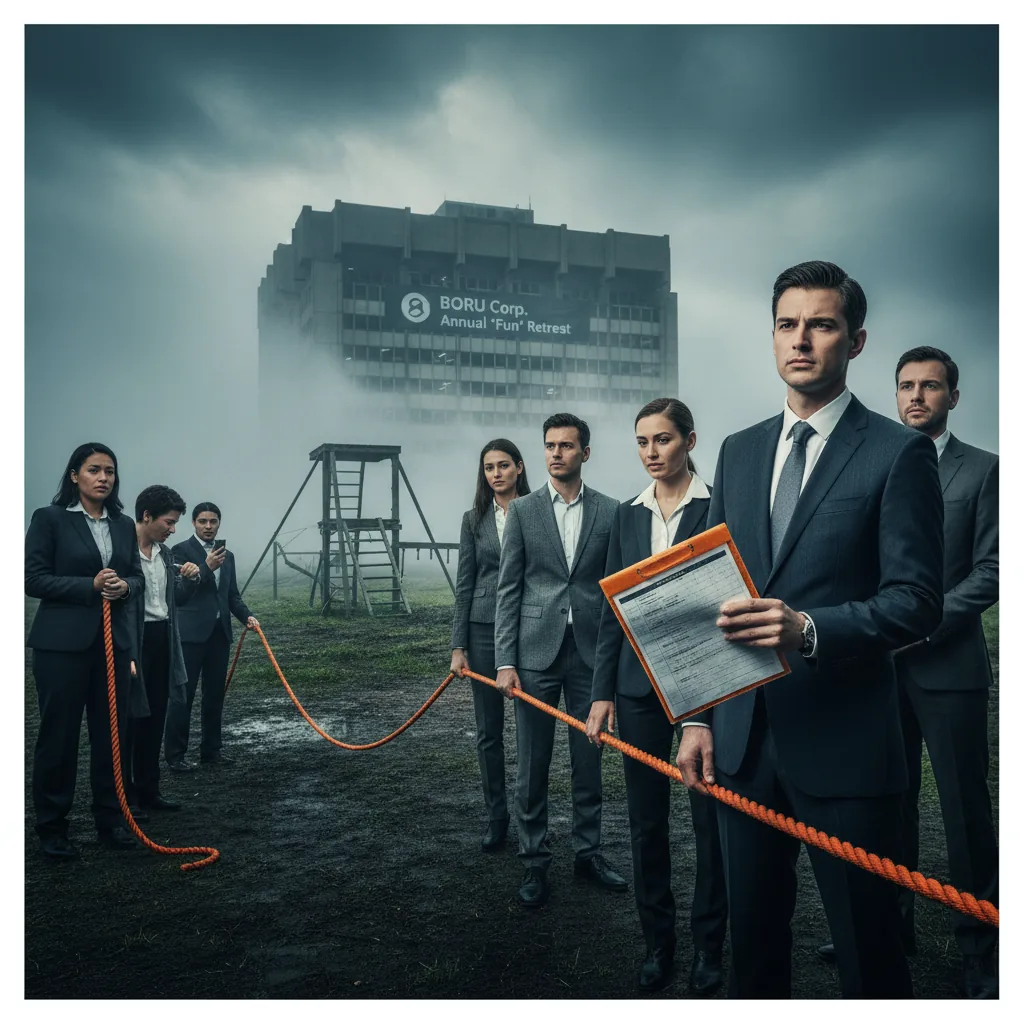
There are HR consultants who quietly send this thread to clients planning off-sites. It’s easier than writing a memo. The retreat itself wasn’t illegal. The expectation around it was the problem.
The setup is familiar to anyone who has worked at a mid-sized company. A retreat is announced. The framing is celebratory. The actual itinerary, when distributed, is a 14-hour day of group exercises, ‘optional’ social events that aren’t optional, and accommodations that put colleagues in shared spaces.
What made the thread land was the OP’s tone. They weren’t outraged. They were systematic. Each post in the update sequence is a clean breakdown of one expectation — drinking, group ‘vulnerability’ exercises, after-hours availability — and how they pushed back without escalating to a formal complaint.
The legal reading is the part HR people quote. In most jurisdictions, mandatory attendance at company-paid events makes those events working time. Coercion to drink, to share medical or personal history, or to remain in shared accommodation crosses into territory that creates real liability for the employer.
The aftermath is the satisfying part. The OP didn’t become a martyr. They documented quietly, declined politely, and watched the company restructure the next year’s retreat after enough employees pushed back the same way. The thread reads less like a single victory and more like a template.
It’s also where Reddit collectively learned the phrase ‘that’s a working hours question.’ The thread is responsible for more polite refusals at off-sites than any HR memo ever written.
Elsewhere on The Daily Stash
What happened next
Retreat announced
Week 0Company-paid off-site at a destination resort. Framing is celebratory, no detailed itinerary released.
Itinerary leaks
Week 214-hour day, ‘optional’ social events, shared accommodation. Pushback begins quietly in DMs.
On-site week
Days 1–4OP politely declines drinking culture and intimate group exercises. Documents each interaction in a personal log.
After-action
Weeks 5–8OP raises specific concerns through HR with documentation. No retaliation. Several colleagues echo the feedback.
Next year’s restructure
Months 6–12Retreat redesigned. Itinerary published in advance, attendance partially optional, no shared accommodation.
Reader verdict
How would you have handled the retreat?
Tap an option to see how readers split.
Sources
Frequently asked
- Is mandatory attendance at a company retreat legal?
- It usually is, but the moment attendance is required it counts as working time in most jurisdictions, which changes the rules around overtime, alcohol, and accommodation. The thread’s value is in the boundary, not the prohibition.
- Did the OP face retaliation?
- According to the updates, no. They credited the absence of retaliation to documenting in writing, raising concerns through formal channels, and not posting publicly until well after the events.
Elsewhere on the web
Editorial picks · external- China Believes America Will Flame Out — The Atlantic
- 40 Times Influencers Went Too Far For ‘The Perfect Shot’ And Got Called Out — Swagbae
- Mayor Responds After Video Shows Man Throwing Rock at Endangered Seal Lani in Hawaii — NBC New York
- From Vine to Friendster, Why Is Retro Social Media Coming Back? — Creative Bloq
- How to Save a Life: Paramedics on Emergency First Aid — The Guardian
- Footage Shows Moments Before Frontier Airlines Jet Struck Person on Denver Runway — Fox News
Original editorial. Written by The Daily Stash Editors. See our editorial policy.