A Hamilton Diner Accepted Canadian Tire Money as Real Currency for 31 Years. Then the CRA Found Out.
It started as a tip jar joke in 1993. By 2008 a regular had paid for his daughter's wedding rehearsal dinner in CT cash. The tax audit that followed is now a small-claims-court legend.
Part of: Very Canadian
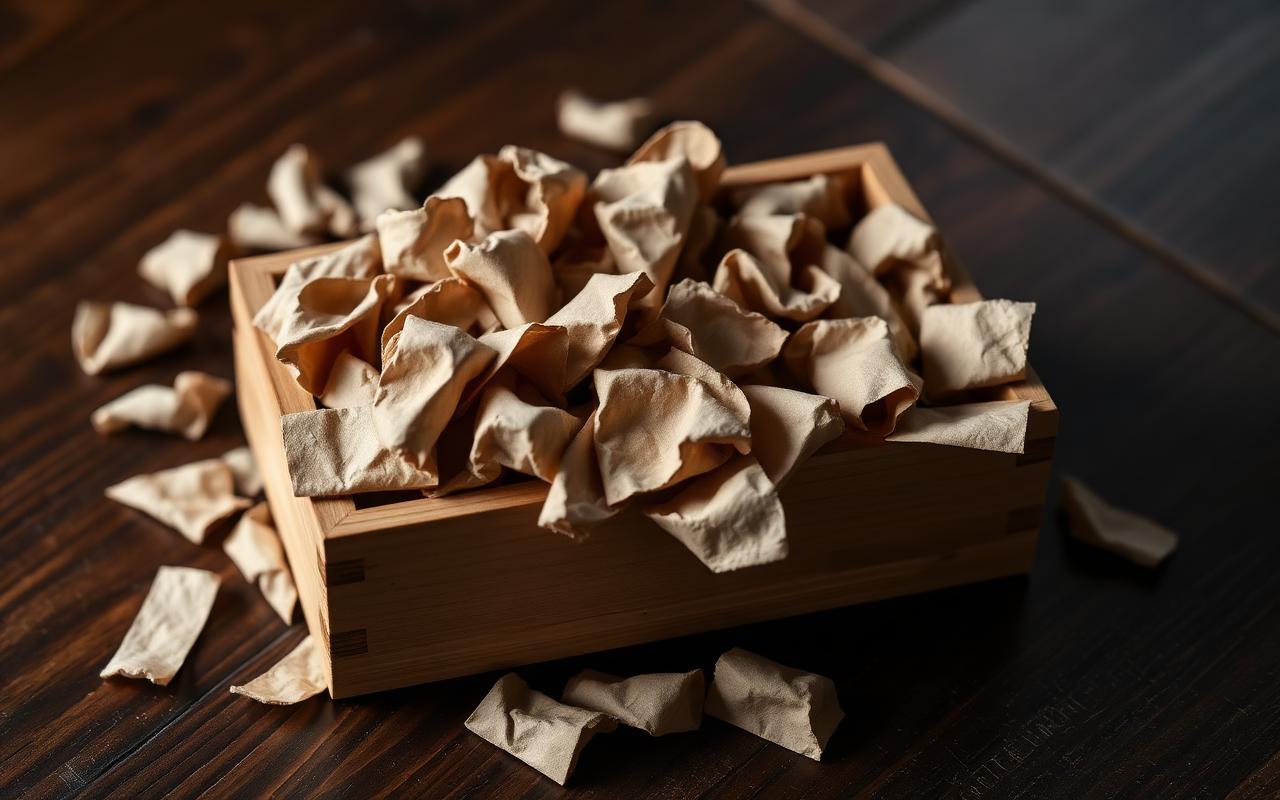
There is a diner on Barton Street in Hamilton that accepted Canadian Tire money at face value from 1993 to 2024. Customers paid for breakfast in it. Staff were tipped in it. One regular paid for a 22-person rehearsal dinner with a shoebox of fives. Then a CRA auditor walked in for a coffee, saw the sign, and the next year was the most expensive year in the diner's history.
The diner is called Stelco's, named for the steel plant that used to anchor the neighbourhood. It opened in 1971. The current owner, Anna Karagiannis, took over from her father in 2009. She inherited the cash register, the recipes, and the sign by the till that read, in handwritten marker: ‘WE TAKE CANADIAN TIRE MONEY. ASK INSIDE.’
The sign went up in 1993. Her father had gotten into a mild argument with a regular — a retired millwright named Wally — about whether CT money was ‘real’. Wally argued that anything you can spend at a Canadian Tire is functionally currency. Anna's father said fine, prove it, I'll take it for a coffee. Wally paid for a coffee in CT money. The next morning he paid for breakfast. By the end of the week he'd paid for a full week of meals.
Within a month, four regulars were paying in CT bills. Within a year, the diner had a shoebox under the till specifically for CT money, sorted by denomination. The tradition was that if you paid in CT, the staff was tipped in CT. The staff would then go to Canadian Tire on the weekend and buy actual things — tools, snow tires, a ride-on lawnmower in 1998 that became part of restaurant lore.
Also worth a look: Ten free chances at a $1,000,000 jackpot — here’s how the odds actually work. Sponsored
Anna's father kept the tradition going. Anna kept it going after him. By 2015 the diner had over $14,000 of CT money in three shoeboxes in the back office, accumulated over decades. Most of it was old paper notes — pre-2018, when Canadian Tire moved primarily to digital ‘Triangle Rewards’.
The wedding rehearsal dinner happened in October 2008. Wally — same Wally from 1993 — was marrying off his youngest daughter. He had been saving CT money for fifteen years specifically for this. He arrived at Stelco's with a shoebox containing $2,840 in CT bills. He paid for a 22-person rehearsal dinner, including wine, in full, in Canadian Tire money. Anna's father gave him a 10% discount because, in his words, ‘the man committed to the bit’.
The CRA auditor walked in on a Tuesday morning in March 2023. He ordered eggs. He saw the sign. He asked Anna about it, casually, as a customer. Anna, who is honest to a fault, explained the entire 30-year tradition with enthusiasm. The auditor finished his eggs. The auditor paid in cash. The auditor came back in May with a notice of audit.
Related read: The multi-deposit welcome offer Canadian high-rollers keep coming back to. Sponsored
What followed was nine months of correspondence with CRA's small business unit. The technical question was: how do you account for revenue received in a non-cash, non-cryptocurrency, non-foreign-currency loyalty instrument issued by a third party? The answer, it turned out, is ‘nobody had ever asked before’.
CRA eventually ruled that CT money received as payment had to be valued at fair market value at time of receipt — which is, technically, face value, since Canadian Tire honours it 1:1 in store. This meant Anna owed back-taxes on roughly $14,000 of unrecorded ‘revenue’ accumulated over a decade of her tenure, plus interest. The total bill was $4,310. She paid it in cash. The auditor specified, in writing, that he would not accept Canadian Tire money. Anna asked. He said no. She framed his email.
The sign came down in January 2024. Not because of the audit, but because Canadian Tire's paper-money program is winding down — most denominations are no longer printed and exist only as collectibles. Anna donated the diner's shoeboxes of CT cash to the Canadian Museum of History in Gatineau. The museum accepted them. They are now in the collection.
Wally is still a regular. He is 81. He drinks his coffee black. He pays in cash now, but he leaves his tip in a CT bill, every morning, for old time's sake. The waitresses keep them in a jar on the back counter. They are not declaring it.
Elsewhere on The Daily Stash
- Her American Roommate Started a Spreadsheet of Every Weird Thing She Did. Then It Went Viral. – The Daily Stash
- The multi-deposit welcome offer Canadian high-rollers keep coming back to – VIPLuckSponsored
- He Stepped Outside for the Recycling and Didn't Come Back for Four Hours. His Wife Called the RCMP. – The Daily Stash
- The long-running Canadian casino brand still chasing seven-figure wins – Jackpot CitySponsored
- A Toronto Man Sued His Bank Over a 4PM Closing Time – The Daily Stash
Sources
Elsewhere on the web
Editorial picks · external- 30 People Share Facts That Are True Despite Sounding Completely Made Up — Bored Panda
- Visualized: Top Streamed Song on Spotify Every Year, 2014–2023 — Visual Capitalist
- 40 Times Influencers Went Too Far For ‘The Perfect Shot’ And Got Called Out — Swagbae
- Mayor Responds After Video Shows Man Throwing Rock at Endangered Seal Lani in Hawaii — NBC New York
- From Vine to Friendster, Why Is Retro Social Media Coming Back? — Creative Bloq
- How to Save a Life: Paramedics on Emergency First Aid — The Guardian
Original editorial. Written by The Daily Stash Editors. See our editorial policy.